
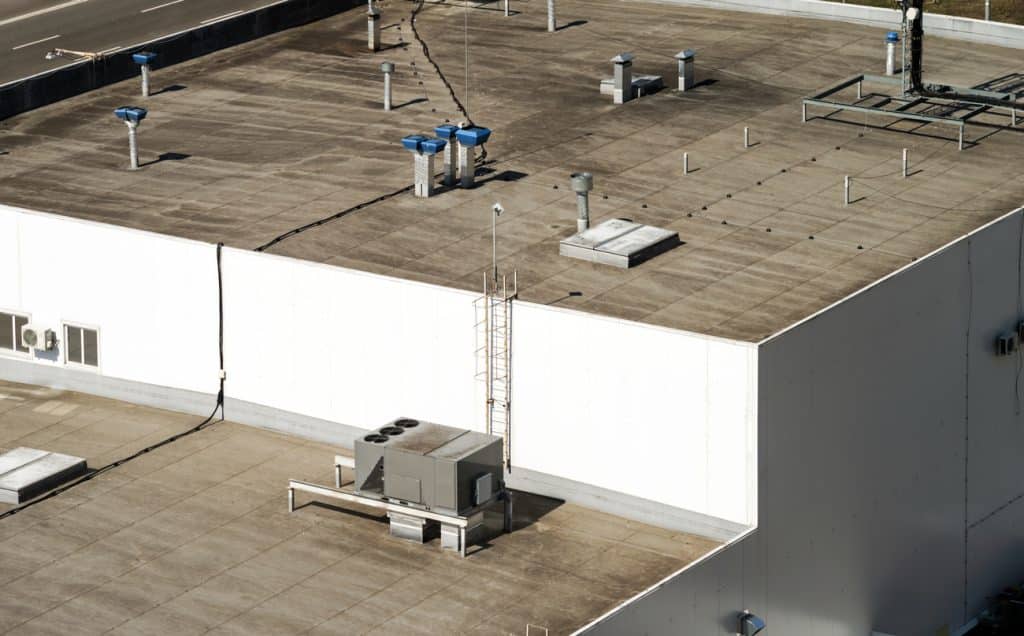
When the winter clouds finally part and the sun starts to feel warm on your face, it is easy to forget about the roof that is protecting your commercial establishment. If there is a small hole or a clogged drain, this issue can quickly turn into a serious headache for your budget. Taking time this spring to check for damage is a great way to show your property some respect.
Clearing Out the Winter Leftovers
Before you can do anything else, look for all the trash and natural debris that the winter wind has blown onto your roof. You might find old leaves, broken branches, or even litter that has tangled itself around your vents and equipment. If you leave these piles to sit, they act like wet sponges that trap moisture against the roof membrane. This can cause the material to rot or soften over time.
Making Sure the Water Has a Place to Go
A commercial roof is designed to shed water quickly. However, it can only do that if the drains and scuppers are completely clear of any blockages. During your spring cleaning, you should pour a little water down the drains to make sure it flows through the pipes without any gurgling or slow spots. If the water backs up, you might have a clog that needs to be flushed out with a hose. Water that sits on a flat roof is heavy, and just an inch of standing water can add thousands of pounds of stress to your building’s structure. Keeping those drains open is the best insurance you can have against water damage during the rainy season.
Checking the Seals and Flashing
You should also have a professional come and inspect the metal flashing around your chimneys, vents, and air conditioning units. The freezing and thawing of winter can cause the metal to expand and contract. This pulls the seals away from the roof and creates tiny gaps where rain can sneak inside your building. Some roofing sealant can fix the problem before it ever becomes a real leak.
Watching for Bubbles and Blisters
The summer sun can be hard on a roof. This is especially true if there is trapped moisture under the surface. As the temperature rises, any water that got under the roof membrane will turn into steam and expand. This will create bubbles or blisters that look like small hills on your roof. If the roofer that you hired sees these blisters during your spring cleaning, it is a sign that your roof needs a professional touch to release the pressure and reseal the spot. If you leave them alone, the sun will eventually bake the material until it cracks. This opens the door for even more water to get inside.
Taking care of these issues early in the spring keeps your roof strong and prevents the summer heat from causing total failure. If you have concerns or require commercial roof repair services, contact JP Carroll in Danvers, MA.