
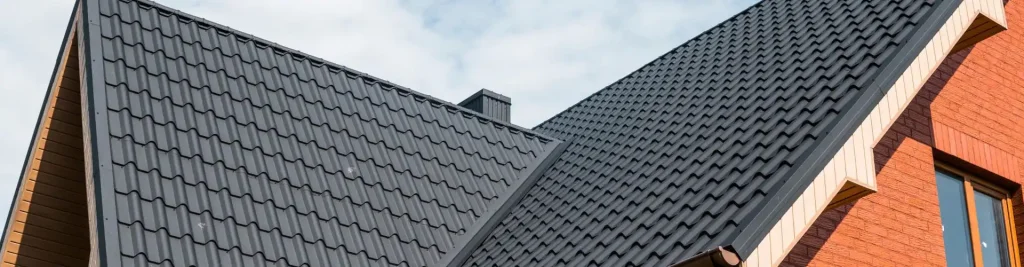
Roof leaks are one of the most common problems homeowners in Massachusetts and Connecticut face, especially with the region’s heavy snowfalls, spring rains, and seasonal storms. Left unchecked, even a small leak can cause serious damage, ruined insulation, mold growth, warped decking, and even structural compromise. The challenge is that leaks aren’t always obvious, and the repair method depends on the type of roof you have.
At JP Carroll Roofing, we’ve spent over 30 years helping New England homeowners and businesses identify and repair roof leaks quickly and effectively. Here’s what you should know about spotting leaks, understanding their causes, and fixing them the right way.
How To Spot Signs Of A Roof Leak
Interior Clues
- Water stains on ceilings or walls, often brown or yellow in color.
- Peeling paint or bubbling plaster around ceilings, windows, or trim.
- Musty odors, especially in attics or upper rooms.
- Damp insulation in the attic, which loses effectiveness once wet.
Exterior Clues
- Missing or damaged shingles that expose underlayment.
- Warped or cracked flashing around chimneys, vents, or skylights.
- Clogged gutters that force water under roof edges.
- Ice dams forming along the eaves during winter.
Leaks often appear far from their actual source. Water may travel along rafters or decking before dripping inside, which is why a professional inspection is often necessary.
Common Causes Of Roof Leaks
- Damaged or Missing Shingles – Wind, hail, or age can strip shingles, leaving bare spots vulnerable to water.
- Flashing Failures – Flashing seals roof penetrations (chimneys, skylights, vents). When it cracks, rusts, or loosens, leaks quickly develop.
- Poor Ventilation – Without proper airflow, condensation can mimic leak damage.
- Clogged Gutters – Overflowing gutters back up water under shingles.
- Ice Dams – Common in New England, these force melted snow under shingles and into the attic.
- Aging Roofs – Older shingles lose granules and protective layers, leaving them porous.
Leak Identification By Roof Type
Asphalt Shingle Roofs
The most common roof type in MA and CT. Leaks often start at lifted shingles, cracked flashing, or around roof valleys. Look for missing granules, curled edges, or bare patches.
Fix: Replace damaged shingles, reseal or replace flashing, and ensure underlayment hasn’t rotted.
Slate Roofs
Durable but prone to cracked or slipped tiles. Water enters through gaps or fractures in the slate.
Fix: Replace cracked tiles with matching slate. Professional handling is critical to avoid damaging surrounding tiles.
Flat Roofs (EPDM, TPO, Modified Bitumen)
Leaks typically occur at seams, punctures, or ponding water areas. Because water can spread widely across a flat surface, locating the exact entry point can be tricky.
Fix: Patch punctures with manufacturer-approved materials, reseal seams, or replace deteriorated sections. Severe ponding may require re-sloping or additional drainage.
Metal Roofs
Less common on homes but used on some New England structures. Leaks occur at seams, fastener holes, or areas of corrosion.
Fix: Replace loose fasteners, reapply sealants, or replace corroded panels.
Short-Term Fixes Vs. Permanent Repairs
- Short-term solutions include using roofing cement, sealant tape, or tarps to stop active leaks during storms. These are temporary and should not replace professional repair.
- Permanent solutions involve replacing damaged shingles, re-flashing penetrations, sealing flat roof membranes, or in some cases, partial roof replacement.
Preventing Future Roof Leaks
- Regular Roof Inspections – At least once a year and after major storms.
- Proper Attic Ventilation & Insulation – Reduces condensation and prevents ice dams.
- Gutter Maintenance – Keeps water flowing away from the roof.
- Tree Trimming – Prevents falling branches from damaging shingles.
- Prompt Repairs – Fixing small issues immediately prevents bigger, costlier problems.
Why Professional Leak Repair Matters
While handy homeowners can patch minor leaks, a professional roofer offers:
- Accurate leak detection (finding the true source of water intrusion).
- Proper repair techniques matched to your roof type.
- Use of manufacturer-approved materials to maintain warranties.
- Long-term solutions that prevent recurring problems.
At JP Carroll Roofing, our team is trained to identify leaks on residential and commercial roofs of every type. We combine advanced inspection methods with decades of experience working in New England’s unique climate challenges.
Final Thoughts
Roof leaks rarely stay small. A stain on the ceiling today could mean structural repairs tomorrow if ignored. Knowing how to spot leaks, understanding their causes, and repairing them properly is the key to protecting your home and your investment.
If you’ve noticed signs of a leak in Massachusetts or Connecticut, contact JP Carroll Roofing today. Our expert team provides professional roof inspections, repairs, and replacements tailored to the unique needs of New England homes.